Pro Bronx Locksmiths Service Team
Local locksmith team
Jul 23, 2026 12 min read
If you've ever squinted at the hardware on your Bronx apartment door and wondered why it looks nothing like the knob-and-deadbolt setup you see in newer buildings, you're not imagining things — and you're definitely not alone. Pre-war buildings lining the Grand Concourse, Mott Haven, and Fordham Road were built with a fundamentally different locking system baked right into the door itself. Understanding what's on your door isn't just trivia; it affects how you replace lost keys, upgrade your security, and what to expect when you call a locksmith for help.
This guide breaks down the two most common door lock types found on Bronx residential and commercial doors — the mortise lock and the cylindrical (tubular) lock — explains which buildings typically use each, and helps you figure out exactly what's protecting your home or unit right now. Whether you're a renter in Riverdale, a building owner in Hunts Point, or a super managing a walkup in Belmont, this is the practical breakdown you've been looking for.
## What Is a Mortise Lock, and Why Do Bronx Pre-War Buildings Have Them?
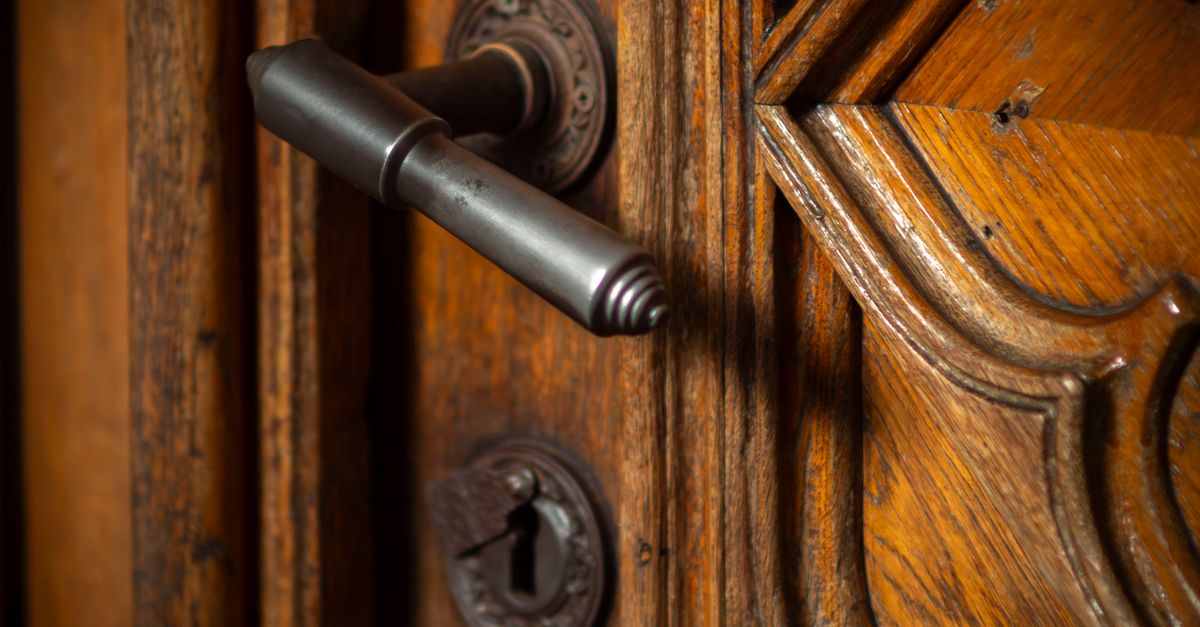
A mortise lock is a complete locking mechanism housed inside a rectangular pocket — the 'mortise' — that is chiseled directly into the edge of the door. Instead of a simple bored hole for a knob or deadbolt, the door has a deep cavity that holds an integrated unit containing the latch, the deadbolt, and sometimes a privacy button, all in one steel case. The face plate sits flush with the door edge, and a separate mortise lock cylinder (the part your key turns) is threaded through the door face into that internal body. Because the entire mechanism is recessed inside the door, there is very little exposed hardware for a would-be intruder to attack. That design philosophy is exactly why architects and builders favored it when constructing the dense apartment buildings that went up across The Bronx from the 1890s through the 1940s.
Those pre-war buildings — think the ornate lobbies along the Grand Concourse Historic District or the six-story walkups packed along 161st Street — were built to last generations, and their door hardware reflected that ambition. A quality mortise lock set from that era, made by manufacturers like Corbin Russwin or others common at the time, was engineered for heavy daily use by dozens of tenants. Today, brands like Corbin Russwin, Baldwin, and Schlage all produce modern mortise lock sets for both residential and commercial applications, and a skilled locksmith can source replacement parts or retrofit newer cylinders into original housings that are still in perfectly sound condition. If you live in a building erected before World War II and your door has a long, slim face plate running vertically along the edge with separate knob and deadbolt functions, you almost certainly have a mortise lock.
## Cylindrical Locks: What Fills the Doors in Newer Bronx Construction
The cylindrical lock — often called a tubular lock or bored lock — is what most people picture when they think of a standard door knob lock or lever-handle setup. Installation requires drilling two cylindrical holes through the door face and edge, then inserting a prefabricated cartridge that contains the latch mechanism. A separate deadbolt is typically drilled above it. This system became the dominant choice for post-war construction and most buildings erected from the 1960s onward because it is faster and less expensive to install during construction, requires no specialized door-edge chiseling, and uses standardized parts that are easy to swap out.
If you're in a co-op or condo built in the 1970s or 1980s in Pelham Bay, Co-op City, or Soundview, your exterior door almost certainly uses a cylindrical knob or lever paired with a separate deadbolt. The upside is easy part availability and straightforward re-keying. The trade-off is that the mechanism sits in a smaller, shallower bored hole, which — depending on the door material and strike plate quality — can be more vulnerable to kick-in force than a properly installed mortise system. That's why a qualified locksmith will often recommend reinforcing the strike plate and using Grade 1 or Grade 2 deadbolts on cylindrical setups in high-traffic urban environments like The Bronx.
## How to Identify Which Lock Type Is on Your Door Right Now
You don't need any tools to figure out what you have. Stand in front of your door and look at the edge — the narrow strip visible when the door is open. If you see a tall, rectangular face plate (often three to seven inches long) with a latch and bolt housed in a single flush-mounted plate, that is a mortise lock set. The body of the lock is buried inside the door itself. On the face of the door, you will typically see a knob or lever on one side and a visible cylinder on the other, with a separate thumb turn or key cylinder for the deadbolt portion integrated into the same long plate. Some older units also have a small button or lever for a privacy function, all part of the same mortise lock body.
If instead your door edge shows two separate, smaller round face plates — one for the latch (where the knob or lever is) and one for the deadbolt above it — you have a cylindrical system. The key distinction is always the door edge: one unified tall plate equals mortise, two separate round or small rectangular plates equals cylindrical. This matters enormously when you call a locksmith for repairs, re-keying, or an emergency lockout, because the parts, the labor approach, and the time required differ between the two systems. If you're ever unsure, our team at Pro Bronx Locksmiths can identify your lock type on arrival and walk you through your options before any work begins. Call us anytime at (347) 474-4734 — we're available around the clock.
## Upgrading, Repairing, and Rekeying Your Lock: What Bronx Residents Should Know
One of the most common questions we hear from Bronx renters is whether they can upgrade an old mortise lock to a smart mortise lock without replacing the entire door. The answer is often yes — many modern smart mortise lock models are designed to retrofit into existing mortise pockets, meaning the door itself doesn't need to be modified. Brands now offer smart mortise lock options with keypad entry, Bluetooth connectivity, and app-based access logs that drop right into the cavity left by a 1930s Corbin Russwin unit. For building owners managing multiple units, this can be a practical way to eliminate physical key distribution entirely. A commercial locksmith with mortise experience will assess whether your existing mortise case dimensions match the new unit before committing to the swap.
For cylindrical locks, upgrades are equally straightforward — re-keying a cylinder so old tenant keys no longer work is a fast, cost-effective step every time a unit turns over. Re-keying a mortise lock cylinder follows a similar principle but requires a locksmith familiar with the specific make and model of the lock body, since mortise cylinders are not universal. Repair needs also differ: a worn mortise lock set may need internal spring or cam replacement inside the case, while a failing cylindrical lock often just needs a new cartridge. Either way, the final quote you receive from our team is always confirmed up front and is based on the specific lock type and model involved, the parts required, the time of day, and your location within The Bronx — so there are never surprise charges after the job is done.
Types of services our team handles for Bronx residents and property owners include: residential lockout assistance, commercial lockout response, mortise lock installation and repair, mortise lock cylinder replacement, cylindrical lock installation, deadbolt installation and upgrade, smart lock installation and programming, lock re-keying for apartments and commercial units, master key system design for multi-unit buildings, high-security lock installation, door knob lock replacement, lever handle lock installation, emergency locksmith response, building entry door hardware service, mailbox lock repair and replacement, padlock opening and replacement, garage door lock service, sliding door lock installation, window lock installation, access control system consultation, broken key extraction, key duplication for mortise and cylindrical systems, safe opening and combination changes, car lockout assistance, and ignition lock cylinder service for vehicles.
## When You Need an Emergency Locksmith and What to Expect
Getting locked out of a Bronx apartment at 2 a.m. is not a theoretical scenario — it happens on Jerome Avenue, on Tremont, on Pelham Parkway, and everywhere in between, every single night. Knowing what to do and who to call before it happens to you is genuinely useful. First, always check whether a building superintendent or property manager holds a spare key — many pre-war buildings with full-time supers can resolve lockouts without any outside help. Check whether any other entrance to the unit is accessible through a window or secondary door, and verify that before anything else. If none of those options apply, calling a professional emergency locksmith is the correct and safest next step.
When you call Pro Bronx Locksmiths, a trained technician will ask for your location, confirm your identity as the resident or authorized party, and give you an honest arrival estimate. We operate 24 hours a day, seven days a week — there is no after-hours voicemail and no dispatch delay. Our mobile locksmiths carry tools and parts for both mortise and cylindrical systems, so whether you're locked out of a pre-war unit with a vintage mortise lock set or a newer apartment with a standard deadbolt, we arrive prepared. The factors that shape your final quote include the lock type, whether any parts need to be replaced versus simply manipulated, the time of call, and your specific address within The Bronx zip codes (10451 through 10475 all fall within our regular service area). We confirm that price before touching the door — always. Call (347) 474-4734 any time you need us.
## Mortise Lock Maintenance: Keeping Pre-War Hardware Working for Another Century
One underappreciated reality of Bronx apartment living is that a well-maintained mortise lock from 1935 can still outperform a cheap modern deadbolt installed yesterday. The cast-brass and hardened-steel internals in quality vintage hardware were built to tolerances that many budget modern products don't match. The key to longevity is basic maintenance: twice a year, apply a dry graphite lubricant (not WD-40, which attracts debris) to the keyway and moving parts. If the key has started to feel stiff or the latch drags, that's usually a worn spring or accumulated grime — both of which a skilled locksmith can address in a single visit without replacing the entire unit. Replacing only the mortise lock cylinder, for example, is often all that's needed when a key wears out or a tenant moves on.
For building owners managing a portfolio of pre-war units, developing a relationship with a local commercial locksmith who understands vintage mortise hardware is genuinely valuable. Sourcing compatible replacement cylinders for older Corbin Russwin or Baldwin mortise lock bodies, or fabricating keys for obscure keyways, requires hands-on experience that not every locksmith carries. Our team has worked across Bronx pre-war inventory extensively and stocks or can source parts for the most common mortise formats found in this borough. If you manage a building and want a walkthrough of your current door hardware condition, we're a call away at (347) 474-4734.
Frequently asked questions
What is a mortise lock and how is it different from a regular door knob lock?+
A mortise lock is a complete locking assembly — latch, deadbolt, and sometimes a privacy function — housed inside a rectangular pocket cut into the door's edge. A standard door knob lock (cylindrical lock) uses bored holes through the door face and holds a much smaller, self-contained cartridge. The mortise system is generally more robust because the mechanism is fully recessed and protected by the door material itself, whereas a cylindrical lock's smaller footprint can make it more susceptible to certain types of physical attack if the surrounding door frame and strike plate aren't reinforced.
How much does an emergency locksmith cost near me in The Bronx?+
There is no single flat answer, because the final price depends on several real variables: the type of lock on your door (a vintage mortise lock set requires different tools and time than a standard cylindrical lock), whether any parts need to be replaced or just manipulated, the time of day you call, and your specific location within The Bronx. What we can promise is that Pro Bronx Locksmiths confirms an exact price with you before any work begins — there are no surprise charges after the fact. Call (347) 474-4734 for an honest estimate based on your actual situation.
Can a locksmith open any lock, including an old mortise lock?+
An experienced locksmith with the right tools and training can open the vast majority of residential and commercial locks, including vintage mortise locks common in Bronx pre-war buildings. That said, high-security locks — including some modern smart mortise lock models with anti-pick pins and hardened cylinders — are specifically engineered to resist manipulation, which is a feature, not a flaw. In those cases, a qualified locksmith may need to drill the cylinder as a last resort, then replace it. What matters is working with someone who has hands-on experience with the specific lock type on your door, which is why identifying your hardware before you call is genuinely helpful.
What is a locksmith call-out fee, and does Pro Bronx Locksmiths charge one?+
A call-out fee (sometimes called a service or dispatch fee) is a base charge some locksmiths apply just for traveling to your location, separate from the labor and parts. Fee structures vary widely across the industry. At Pro Bronx Locksmiths, we are transparent about all components of our pricing before we begin work — we'll tell you what you're paying for and confirm the total up front. Factors like travel distance within The Bronx, time of day, and the complexity of the job all factor into the quote you receive. There are no charges added after the job is done that weren't discussed beforehand.